Dữ liệu rác biển
Các sự thật trong trò chơi của chúng tôi đến từ bộ dữ liệu nhỏ này: 31 loại rác thường gặp, mỗi loại mất bao lâu để phân huỷ trong biển, làm bằng gì và gây hại cho sinh vật biển ra sao. Mọi con số đều chép từ một nguồn công khai, kèm trích dẫn và giới hạn mà chính nguồn đó nêu.
Các trường: id, name, material, decompose_min, decompose_max, decompose_unit, harm, persistence, toxicity, wildlife, why, source, source_url, quote.
Đọc hướng dẫn cho người chơi: mỗi món một trang, bằng 55 ngôn ngữ →
Tất cả các loại, lâu nhất trước



























Cách làm bộ dữ liệu
- Phần lớn nguồn là các cơ quan nhà nước, nghiên cứu và giáo dục (Chương trình Vịnh Mexico của US EPA, NOAA, Cơ quan Công viên Quốc gia Hoa Kỳ, Ủy ban châu Âu, chính phủ Anh, các thủy cung và bài báo khoa học có bình duyệt); một nguồn là bài báo trích lời Bộ trưởng Môi trường Anh. Mỗi nguồn được lưu kèm ngày chúng tôi kiểm tra và, khi có thể, bản lưu trữ và mã băm của tệp.
- Chúng tôi chép con số, không bao giờ tự ước lượng. Khi nguồn đưa ra một khoảng, trò chơi hiện số thấp nhất với dấu “>”, để không món nào trông vô hại hơn thực tế. Khi nguồn chỉ dùng lời (“nhiều năm hoặc nhiều thế kỷ”), trò chơi cũng chỉ dùng lời.
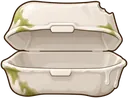
- Khi không nguồn nào có số cho một món, chúng tôi ghi rõ đã dùng món gần giống nào (cốc xốp cho hộp xốp đựng thức ăn, cốc tiệc cho đĩa nhựa), hoặc mức sàn thận trọng đã chọn (hơn 500 năm cho nắp chai).
- Điểm tác hại là thang đo đơn giản của riêng chúng tôi để so sánh các món trong trò chơi, không phải chỉ số chính thức: tồn tại (0–4, theo thời gian: dưới 6 tháng 0, dưới 2 năm 1, dưới 20 năm 2, dưới 100 năm 3, hơn nữa 4), độc (0–3) và sinh vật (0–3), tối đa 10.
- Thời gian phân huỷ là ước tính. Nó phụ thuộc ánh nắng, nhiệt độ, oxy và vi sinh vật, và nhựa vỡ thành vi nhựa chứ không biến mất.
Nguồn
- Marine Debris Timeline of Biodegradation – Florida Department of Environmental Protection (Northwest District), information sourced from the US Environmental Protection Agency Gulf of Mexico Program. kiểm tra ngày 2026-10-03 · bản lưu trữ
Approximate times printed on an educational poster. Real breakdown depends on sunlight, temperature, oxygen and microbes; plastics fragment into microplastics rather than disappear. - Do I Recycle or Upcycle? – U.S. National Park Service, First State National Historical Park (Junior Ranger Online). kiểm tra ngày 2026-10-04 · bản lưu trữ
Educational estimates for litter on land, written for children. - Plastic – NOAA Marine Debris Program. kiểm tra ngày 2026-10-04 · bản lưu trữ
Gives no number: plastics 'may never fully go away'. Lists bottle caps among the top ten items of the 2018 International Coastal Cleanup. - Environmental Stewardship (Trash Timeline resource sheet) – Every Kid Outdoors, U.S. federal interagency program (lesson made with Scholastic). kiểm tra ngày 2026-10-04 · bản lưu trữ
Classroom estimates without a cited study; used only for items the EPA chart does not list. - Toxicity of cigarette butts, and their chemical components, to marine and freshwater fish (Slaughter E, Gersberg RM, Watanabe K, Rudolph J, Stransky C, Novotny TE) – Tobacco Control (BMJ), 2011;20(Suppl 1):i25-i29, doi:10.1136/tc.2010.040170, via PubMed Central (NIH). kiểm tra ngày 2026-10-04
Lab test: leachate from butts soaked 24 h; LC50 over 96 h was about one smoked butt per litre for topsmelt and fathead minnow. The in-game leak rate is a gameplay scale, not this dose. - Marine Debris: Plastics – NOAA National Ocean Service, Coastal Tutorial. kiểm tra ngày 2026-10-15
Gives no figure for caps: some plastics 'may never fully go away'. The game shows the project's floor of more than 500 years (user rule, 2026-10-15). - Marine Debris Prevention: decomposition key – Aquarium of the Bay (San Francisco). kiểm tra ngày 2026-10-15
Educational estimates 'in the marine environment'. - Plastic Bag Free Day – European Commission, Speech Repository. kiểm tra ngày 2026-10-15
'they take from 100 to 500 years to disintegrate'; not specific to sea water. - England to ban single-use plastic cutlery, plates and trays – Mother Jones (republishing The Guardian), quoting the UK Environment Secretary. kiểm tra ngày 2026-10-15
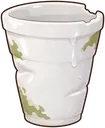
A government statement, not a study: 'A plastic fork can take 200 years to decompose'. - Decomposition Rates card – Canadian Geographic Education (figures credited to NOAA, US EPA and Woods Hole Sea Grant). kiểm tra ngày 2026-10-15
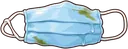
Time 'to break down in the ocean'. Party cup figure, used for plates (no plate-specific figure found). - Masques jetables : dans la poubelle uniquement ! – Ville d'Osny (French municipal government). kiểm tra ngày 2026-10-25
Town-hall guidance in French, not a study, and not sea-specific: 'Leur durée de décomposition est d’environ 450 ans' (about 450 years). - Gove takes action to ban plastic straws, stirrers, and cotton buds – UK Government, Department for Environment, Food & Rural Affairs (GOV.UK). kiểm tra ngày 2026-10-25
A government statement with no number: 'take hundreds of years to break down'; the game reads 'hundreds' as at least 200 years (user, 2026-10-25). - The Scary Truth About Party Balloons – NOAA Marine Debris Program blog (US National Oceanic and Atmospheric Administration). kiểm tra ngày 2026-10-25
Words only, no figure: balloons 'can persist in environments such as the deep sea for years or centuries'. The game shows 'many years'.
Muốn dùng lại dữ liệu này? Hãy viết cho chúng tôi: support@code4ocean.com